You Are Not the “Why” in What Happened to You: Releasing Self-Blame After Trauma
Jan 02, 2026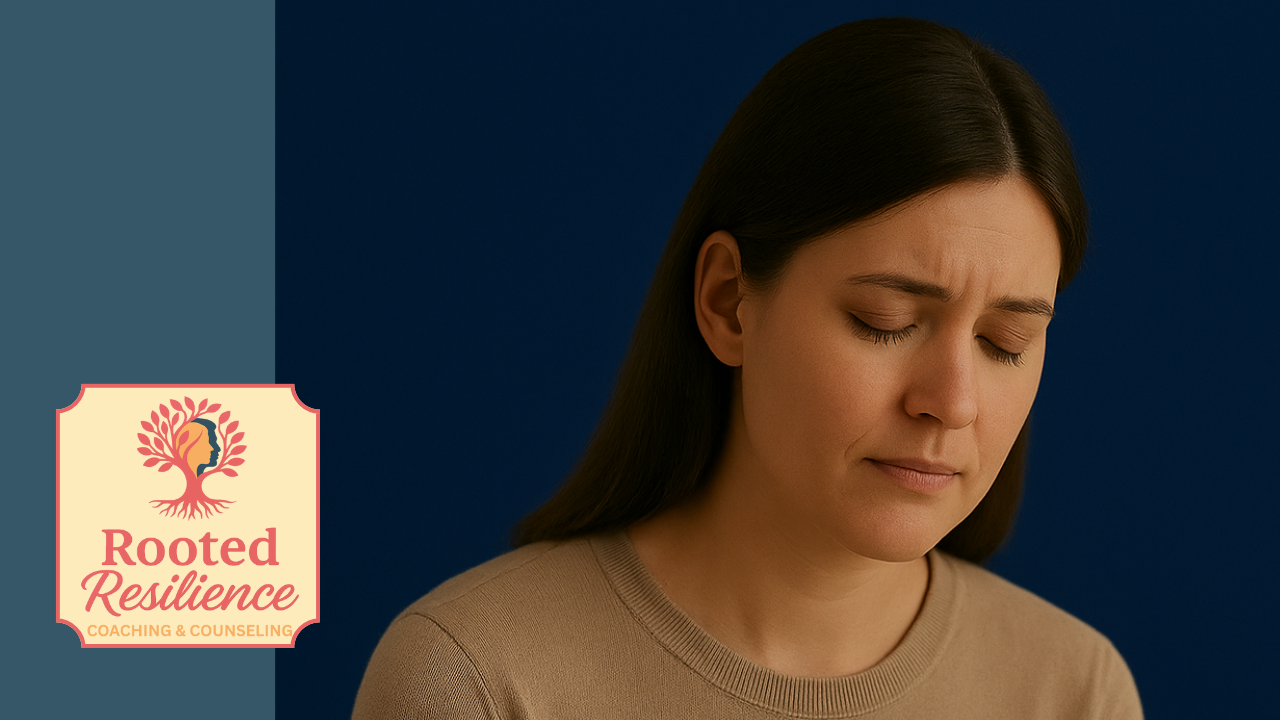
One of the most painful effects of trauma is the belief that we somehow caused what happened to us. Many survivors silently carry questions like “Why me?”, “What did I do wrong?”, or “Could I have prevented this?” Even years later, it’s incredibly common to look back and wonder if there was something you should have known, done differently, seen coming, or protected yourself from sooner. These thoughts can feel heavy and overwhelming, but they are a normal response to something that never should have happened in the first place.
Trauma, especially emotional and relational trauma, often happens in situations where trust, care, or attachment should have been present. When harm comes from someone we cared about, loved, depended on, or believed we could trust, the nervous system tries to make sense of the betrayal by searching for explanations inside ourselves. It feels safer—though deeply painful—to believe “I must have done something,” rather than opening to the truth that someone else chose to cause harm or failed to protect us.
Self-blame is one of the nervous system’s ways of finding order in chaos. If the harm was “your fault,” then maybe you could prevent it from happening again. If you caused it, you can stop it. If you were the reason, then at least the world still feels predictable. This isn’t logical thinking—it’s protective thinking. It’s the nervous system searching for safety in a situation where safety was broken.
Survivors often carry invisible beliefs shaped by trauma: that they should have recognized red flags, left sooner, spoken up earlier, or somehow known what they couldn’t possibly have known at the time. These beliefs don’t come from reality; they come from a nervous system trying to protect itself long after the danger has passed. Healing begins when we gently question those beliefs and allow the truth to come forward: you were never meant to know what someone else was capable of, and you were not responsible for the choices they made.
Trauma is not a reflection of your character, your intelligence, your strength, or your worth. Trauma reflects the harm, choices, and behavior of someone else—not you. The fact that you survived something painful says nothing about what you deserved and everything about how strong your body and nervous system became to protect you. Survivors are not at fault for the ways they learned to survive. Freezing, shutting down, complying, or coping emotionally were not failures—they were survival responses that kept you going when no other option felt available.
Letting go of self-blame is not something you “decide” to do in one moment. It happens slowly, as your nervous system starts to feel safer, as compassion replaces shame, and as your story becomes something you can hold with tenderness rather than judgment. Healing is the gradual unfolding of understanding—the slow process of seeing yourself with the same gentleness you would offer someone you love.
You are not the reason someone harmed you. You are not the cause of trauma that happened to you. And you are not responsible for another person’s choices, capacity, or lack of care. What happened says far more about them than it ever could about you. Healing begins when you allow yourself to release responsibility for pain that was never yours to carry in the first place.
If you are beginning to see your story with new compassion, you are already healing. If part of you still wonders whether you were somehow responsible, that doesn’t mean you’re stuck—it means your body is still protecting you, and it needs time and gentleness to let go. Healing is not about forcing yourself to believe something different. Healing is about creating enough emotional safety that the truth becomes easier to receive, slowly and steadily.
When you feel ready, trauma-informed support can help you navigate these complex feelings with care, softness, and patience. You do not need to hold this alone, and you don’t have to convince yourself all at once. Your healing journey deserves time, understanding, and a space where you can finally release the weight of self-blame and step into the compassion you deserve.
You are not the “why” in what happened to you. And you never were.
With Warmth,
Rachel Anderson
Founder | Coach
Stay connected with news and updates!
Join our mailing list to receive the latest news and updates from our team.
Don't worry, your information will not be shared.
We hate SPAM. We will never sell your information, for any reason.
